Welcome to the explosive world of sales gaming Fortnite, where virtual battles meet billion-dollar business. This isn’t just a game—it’s a cultural and economic phenomenon. Let’s dive into how Epic Games turned a battle royale into a financial powerhouse.
Sales Gaming Fortnite: The Billion-Dollar Empire

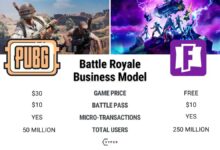
Fortnite isn’t just popular—it’s a financial juggernaut. Since its launch in 2017, the game has generated over $20 billion in lifetime revenue, primarily through in-game purchases. Unlike traditional games that rely on upfront sales, Fortnite uses a free-to-play model with microtransactions, making sales gaming Fortnite a masterclass in digital monetization.
How Fortnite’s Free-to-Play Model Works
Fortnite’s success hinges on its free-to-play (F2P) design. Players can download and play the core game—Battle Royale—for free. This removes the financial barrier to entry, attracting millions of users worldwide. But how does Epic Games profit?
- Players spend money on cosmetic items like skins, emotes, and pickaxes.
- The in-game currency, V-Bucks, drives impulse purchases.
- Seasonal Battle Passes offer tiered rewards for $10, encouraging consistent spending.
This model leverages psychological triggers—scarcity, exclusivity, and social status—to convert free players into paying customers.
The Role of the Item Shop in Sales Gaming Fortnite
The Fortnite Item Shop is the engine of sales gaming Fortnite. Updated daily, it features limited-time offers that create urgency. A skin might only be available for 24 hours, pushing players to buy now or miss out forever.
- Rare skins like “Renegade Raider” or “Black Knight” become status symbols.
- Collaborations with brands (e.g., Marvel, Star Wars, Travis Scott) boost visibility and sales.
- Daily rotations keep players engaged and returning to check new items.
“The Item Shop is designed to feel like a digital sneaker drop—exclusive, fast, and emotional,” says a former Epic Games designer.
Sales Gaming Fortnite: The Psychology Behind In-Game Spending
Understanding why players spend money is key to sales gaming Fortnite. It’s not just about looking cool—it’s about identity, belonging, and instant gratification.
Fear of Missing Out (FOMO) and Limited-Time Offers
FOMO is a powerful driver in sales gaming Fortnite. When a popular skin like “Ghillie Suit” disappears from the shop, players panic. They know it might not return for months—or ever.
- Limited-time items increase perceived value.
- Players spend impulsively to avoid regret.
- Social media amplifies FOMO through unboxing videos and streams.
This strategy mirrors real-world retail tactics used by brands like Supreme or Nike.
Social Status and Cosmetic Prestige
In Fortnite, your appearance signals your dedication. Rare skins tell others you’ve been around, spent money, or participated in special events. This social currency fuels sales gaming Fortnite.
- Legendary skins are harder to obtain, making them more desirable.
- Emotes like “Floss” or “Take the L” become viral trends.
- Players use cosmetics to express personality in a digital world.
According to a 2023 Nielsen report, 68% of teen players said they bought skins to “fit in” or “stand out” socially.
Sales Gaming Fortnite: The Battle Pass Revolution
The Battle Pass is one of the most successful monetization tools in gaming history. Introduced in Season 2, it transformed how players engage with content—and how Epic earns from sales gaming Fortnite.
How the Battle Pass Drives Engagement and Revenue
For $10, players unlock 100 tiers of rewards over a 10-week season. These include skins, gliders, wraps, and V-Bucks. The low price point makes it feel like a bargain, even though many rewards are cosmetic.
- Progression systems keep players logging in daily.
- Free track offers basic rewards, but premium track has exclusive items.
- Players often spend extra to buy V-Bucks and level up faster.
The Battle Pass turns casual players into committed spenders, boosting sales gaming Fortnite significantly.
Seasonal Content and Player Retention
Each season introduces new themes, maps, and storylines. From alien invasions to Marvel crossovers, the evolving narrative keeps players invested.
- Seasonal drops create anticipation and hype.
- Players don’t want to miss out on exclusive season-themed rewards.
- Live events (like the 2019 Black Hole event) generate massive media coverage.
This constant refresh ensures that sales gaming Fortnite remains dynamic and profitable year-round.
Sales Gaming Fortnite: Brand Collaborations and Crossovers
One of the most innovative aspects of sales gaming Fortnite is its use of brand partnerships. These aren’t just marketing stunts—they’re revenue powerhouses.
Marvel, Star Wars, and NFL: The Power of IP Crossovers
Epic has partnered with some of the biggest names in entertainment. The Marvel crossover brought Iron Man, Thor, and Wolverine into the game. Star Wars introduced lightsabers and Darth Vader. Even the NFL got in on the action with team-themed skins.
- These collaborations attract fans from outside the core player base.
- Fans buy skins of their favorite characters, driving immediate sales spikes.
- Licensing deals likely involve revenue sharing, adding another income stream.
According to GamesIndustry.biz, the Marvel event increased daily active users by 25% and boosted in-game spending by 40%.
Concerts and Virtual Experiences: Travis Scott and Ariana Grande
Fortnite isn’t just a game—it’s a virtual concert venue. The Travis Scott “Astronomical” event in 2020 drew over 12 million live attendees. Ariana Grande’s Rift Tour followed with similar success.
- These events are tied to exclusive in-game items (e.g., Travis Scott skin).
- They generate massive social media buzz, increasing visibility.
- Artists and labels pay to be part of these experiences, creating B2B revenue.
“Fortnite is the future of live entertainment,” said Travis Scott’s manager post-event.
Sales Gaming Fortnite: The Impact of Mobile and Cross-Platform Play
Accessibility is a cornerstone of sales gaming Fortnite. By supporting cross-platform play and launching on mobile (before Apple and Google removed it), Epic maximized its reach.
Mobile Gaming and the Expansion of Sales Reach
When Fortnite launched on iOS in 2018, it became a mobile sensation. Players could battle on the go, increasing engagement and spending opportunities.
- Mobile users tend to spend more on impulse purchases.
- Touch controls made the game accessible to casual players.
- The Android version bypassed Google Play, allowing Epic to keep 100% of revenue.
Although Apple and Google later removed Fortnite over a payment dispute, the mobile era proved crucial for sales gaming Fortnite.
Cross-Platform Play and Unified Economies
Fortnite allows players on PC, console, and mobile to play together. This unified ecosystem means players can access their purchases across devices.
- A skin bought on PlayStation works on Xbox—no double spending.
- Progress syncs via Epic Accounts, increasing user loyalty.
- Cross-play expands the player base, making the game more attractive.
This seamless experience strengthens the in-game economy and drives long-term sales gaming Fortnite.
Sales Gaming Fortnite: The Legal Battle with Apple and Google
In 2020, Epic Games made headlines by challenging Apple and Google’s 30% app store fees. This wasn’t just a corporate fight—it reshaped the conversation around sales gaming Fortnite and digital storefronts.
The 30% Fee and Epic’s Direct Payment Challenge
Apple and Google charge a 30% commission on all in-app purchases. For a game making billions, this meant Epic was losing hundreds of millions annually.
- Epic introduced a direct payment option, bypassing app store fees.
- Apple and Google responded by removing Fortnite from their stores.
- Epic filed lawsuits, arguing the fees were anti-competitive.
This bold move highlighted the financial stakes of sales gaming Fortnite and sparked global debate on app store monopolies.
The Outcome and Its Impact on Future Gaming Sales
The legal battle ended with mixed results. While Epic didn’t win outright, it succeeded in drawing regulatory scrutiny to Apple and Google.
- Apple now allows alternative payment methods in some regions (with a 27% fee).
- The EU’s Digital Markets Act forced Apple to allow sideloading.
- Other developers are now challenging app store policies.
This shift could lower costs for developers and increase profits from sales gaming Fortnite-style models.
Sales Gaming Fortnite: The Future of In-Game Economies
Fortnite’s success has set a new standard for digital monetization. But what’s next for sales gaming Fortnite and the broader gaming industry?
Fortnite as a Platform: From Game to Metaverse
Epic envisions Fortnite as more than a game—it’s a social platform and a proto-metaverse. Users attend concerts, watch movies, and create content.
- Creator Economy: Fortnite Creative allows players to build their own games and earn revenue.
- UGC (User-Generated Content) could become a major income stream.
- Virtual goods might evolve into NFT-like assets (though Epic has resisted blockchain so far).
This transformation could make sales gaming Fortnite even more lucrative.
AI, Personalization, and Dynamic Pricing
Future monetization may leverage AI to personalize offers. Imagine the Item Shop showing skins based on your play style or favorite characters.
- Dynamic pricing could adjust based on demand or player behavior.
- AI-driven recommendations increase conversion rates.
- Epic could use data to predict which skins will be most popular.
These innovations could take sales gaming Fortnite to new heights.
Sales Gaming Fortnite: Lessons for Game Developers and Marketers
The Fortnite model offers valuable insights for anyone in gaming or digital product sales.
Monetization Without Pay-to-Win
Fortnite proves you can make massive profits without pay-to-win mechanics. All purchases are cosmetic, preserving game balance.
- Players don’t feel cheated by spending players.
- Trust in fairness increases long-term engagement.
- Developers can focus on fun, not exploitation.
This ethical approach has helped sales gaming Fortnite maintain a loyal player base.
Community Building and Live Ops
Fortnite thrives on constant updates and community interaction. Live events, seasonal drops, and social features keep players engaged.
- Regular content updates prevent player burnout.
- Listening to player feedback builds goodwill.
- Community-driven content (like Creative maps) increases retention.
For sales gaming Fortnite, community isn’t just a bonus—it’s a revenue engine.
What is sales gaming Fortnite?
Sales gaming Fortnite refers to the monetization strategies used in Fortnite, primarily through in-game purchases like skins, Battle Passes, and limited-time offers. It’s a prime example of how free-to-play games generate massive revenue through digital goods.
How much money has Fortnite made?
As of 2023, Fortnite has generated over $20 billion in lifetime revenue, mostly from in-game purchases. The game continues to earn hundreds of millions annually through its Battle Pass, Item Shop, and collaborations.
Why did Apple remove Fortnite from the App Store?
Apple removed Fortnite in 2020 after Epic Games introduced a direct payment system to bypass Apple’s 30% commission fee. This led to a high-profile legal battle over app store policies and digital storefront control.
Can you still play Fortnite on mobile?
Yes, but not through official app stores. Players can download Fortnite on Android via the Epic Games app, and iOS users can access it through web-based cloud gaming services like GeForce Now.
What makes Fortnite’s monetization so successful?
Fortnite combines psychological triggers (FOMO, social status), constant content updates, brand partnerships, and a fair free-to-play model. Its ability to evolve from a game into a cultural platform has made sales gaming Fortnite a blueprint for modern digital monetization.
Fortnite has redefined what a video game can be—not just entertainment, but a global economy. The sales gaming Fortnite model leverages psychology, technology, and culture to create unprecedented revenue. From Battle Passes to brand crossovers, from mobile dominance to legal battles, every move has been calculated to maximize engagement and profit. As the line between games, social media, and virtual worlds blurs, Fortnite stands as a pioneer. Whether you’re a developer, marketer, or player, understanding sales gaming Fortnite is essential to navigating the future of digital entertainment. The game isn’t just popular—it’s a masterclass in turning play into profit.
Further Reading:
