Looking to boost your sales womens clothes game? Whether you’re a boutique owner or an online retailer, these proven strategies will transform your approach and drive real results.
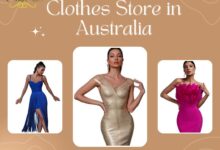
Sales Womens Clothes: Understanding the Modern Market

The world of women’s fashion is evolving rapidly, and so are the strategies behind successful sales womens clothes campaigns. Today’s consumers are more informed, socially conscious, and digitally connected than ever before. To thrive in this competitive landscape, retailers must go beyond simply offering trendy apparel—they need to understand the psychology, behavior, and preferences that drive purchasing decisions.
Demographics Driving Sales Womens Clothes
Women aged 18 to 45 remain the core demographic for most womens clothing brands, but细分 within this group reveals critical insights. Millennials and Gen Z consumers, for instance, prioritize sustainability, inclusivity, and brand authenticity. According to a McKinsey & Company report, 60% of Gen Z shoppers are willing to pay more for sustainable fashion.
- Millennials value convenience and personalization
- Gen Z favors bold styles and digital-first brands
- Gen X seeks quality, durability, and timeless designs
Understanding these generational nuances allows brands to tailor their sales womens clothes strategies effectively.
Psychology Behind Women’s Clothing Purchases
Emotion plays a massive role in fashion buying behavior. A study by the Journal of Fashion and Textiles found that 72% of women associate clothing purchases with mood enhancement. Whether it’s a confidence boost from a new dress or the joy of finding the perfect fit, emotional triggers are central to sales womens clothes success.
“Clothing is not just fabric—it’s identity, emotion, and expression wrapped in style.” – Fashion Psychologist, Dr. Dawnn Karen
Brands that tap into this emotional connection—through storytelling, inclusive marketing, or personalized experiences—see higher conversion rates and customer loyalty.
Top 7 Strategies to Boost Sales Womens Clothes
To stay ahead in the fast-paced fashion industry, businesses must adopt innovative and data-driven approaches. These seven powerful strategies have been proven to increase sales womens clothes across both online and physical retail platforms.
1. Leverage Data-Driven Personalization
Personalization is no longer a luxury—it’s an expectation. Shoppers want curated experiences that reflect their tastes, sizes, and lifestyles. By using AI-powered recommendation engines, brands can offer personalized product suggestions based on browsing history, past purchases, and even social media behavior.
- Use CRM tools to segment customers by style preference
- Send targeted email campaigns with dynamic content
- Implement size-inclusive filters and virtual try-ons
For example, ASOS uses machine learning to recommend outfits based on user behavior, resulting in a 30% increase in average order value.
2. Optimize E-Commerce UX for Sales Conversion
A seamless online shopping experience directly impacts sales womens clothes performance. Clunky navigation, slow load times, or poor mobile optimization can cost you customers. Google reports that 53% of mobile site visits are abandoned if a page takes longer than three seconds to load.
- Ensure mobile-first design with intuitive menus
- Use high-quality images with zoom and 360° views
- Streamline checkout with guest options and multiple payment methods
Brands like Zappos excel in user experience, offering free shipping, easy returns, and 24/7 customer service—key factors in building trust and driving repeat sales womens clothes transactions.
3. Build Brand Loyalty Through Community Engagement
Today’s consumers don’t just buy products—they buy into communities. Creating a sense of belonging around your brand fosters long-term loyalty and word-of-mouth promotion. Social media platforms like Instagram and TikTok have become essential tools for building engaged fashion communities.
- Host live styling sessions and Q&A events
- Encourage user-generated content with branded hashtags
- Launch loyalty programs with exclusive perks
For instance, Fabletics uses a VIP membership model that combines personalized styling with community challenges, increasing customer retention by 40%.
Maximizing Sales Womens Clothes Through Influencer Marketing
Influencer marketing has revolutionized how brands connect with audiences. When done right, it can significantly amplify your reach and credibility in the women’s fashion space.
Choosing the Right Influencers
Not all influencers are created equal. Micro-influencers (10k–100k followers) often have higher engagement rates than mega-celebrities. A study by Influencer Marketing Hub found that micro-influencers generate 60% higher engagement and are perceived as more authentic.
- Look for influencers whose style aligns with your brand
- Prioritize engagement rate over follower count
- Verify audience demographics using analytics tools
Brands like Reformation collaborate with eco-conscious influencers to promote sustainable fashion, reinforcing their brand values while boosting sales womens clothes.
Creating Authentic Campaigns
Consumers can spot inauthentic promotions from a mile away. The most effective influencer campaigns feel natural, not forced. Encourage influencers to share real-life styling tips, unboxing experiences, or wardrobe challenges.
- Allow creative freedom in content creation
- Focus on storytelling, not just product placement
- Track performance with UTM links and promo codes
“Authenticity sells. When influencers genuinely love a brand, their audience feels it.” – Marketing Expert, Sarah Li
This approach builds trust and drives conversions far more effectively than scripted ads.
Seasonal Sales Womens Clothes Campaigns That Work
Timing is everything in fashion retail. Seasonal campaigns allow brands to align with consumer needs, holidays, and cultural moments—driving urgency and boosting sales womens clothes during peak periods.
Spring/Summer Trends and Promotions
Spring and summer are prime seasons for lightweight fabrics, vibrant colors, and outdoor events. Capitalize on this with themed collections like ‘Beach Ready’ or ‘Festival Fashion’.
- Launch limited-edition capsule collections
- Offer bundle deals (e.g., buy 2 tops, get 1 free)
- Partner with travel or beauty brands for cross-promotions
Brands like Sephora often team up with fashion labels for summer beauty-and-style kits, increasing average cart value.
Fall/Winter Strategies for Maximum Impact
Colder months call for layering, cozy textures, and holiday shopping. This is the time to promote outerwear, knitwear, and gift-ready packaging.
- Create ‘Winter Wardrobe Essentials’ guides
- Run early-bird Black Friday deals
- Offer gift wrapping and personalized notes
Nordstrom excels in holiday marketing with its ‘Holiday Shop’ section, personalized gift finders, and extended return policies—key drivers of fall/winter sales womens clothes spikes.
Using Social Media to Drive Sales Womens Clothes
Social media isn’t just for brand awareness—it’s a direct sales channel. Platforms like Instagram, TikTok, and Pinterest are now integrated with shopping features that turn inspiration into instant purchases.
Instagram Shopping and Product Tags
Instagram allows brands to tag products directly in posts and stories, making it easy for users to shop without leaving the app. This seamless experience reduces friction and increases conversion rates.
- Use high-quality lifestyle photography
- Tag products in Reels and Stories
- Run shoppable ads targeting specific audiences
According to Instagram Business, shoppable posts can increase engagement by up to 50% and drive 20% more sales womens clothes compared to non-shoppable content.
TikTok Trends and Viral Fashion
TikTok has become a cultural tastemaker in fashion. Viral trends like #TikTokMadeMeBuyIt have propelled unknown brands into the spotlight overnight.
- Participate in trending challenges with your products
- Collaborate with TikTok creators for authentic reviews
- Use TikTok Shop to enable in-app purchases
Brands like SHEIN have mastered TikTok marketing, leveraging user-generated content and fast fashion cycles to dominate the platform and boost sales womens clothes globally.
Sustainable Practices That Increase Sales Womens Clothes
Sustainability is no longer a niche trend—it’s a mainstream demand. Consumers are increasingly choosing brands that prioritize ethical production, eco-friendly materials, and transparency.
Eco-Friendly Materials and Production
Using sustainable fabrics like organic cotton, TENCEL™, or recycled polyester not only reduces environmental impact but also appeals to conscious consumers.
- Highlight material origins in product descriptions
- Obtain certifications like GOTS or OEKO-TEX
- Partner with ethical manufacturers
Patagonia, though primarily known for outdoor wear, sets a benchmark in transparency—sharing factory locations and labor practices, which builds trust and loyalty.
Transparency and Brand Storytelling
People want to know who made their clothes and under what conditions. Brands that share their supply chain stories see higher customer retention and advocacy.
- Create ‘Meet the Makers’ content
- Publish annual sustainability reports
- Use QR codes on tags linking to production details
“Transparency isn’t just good ethics—it’s good business.” – Fashion Revolution Founder, Orsola de Castro
This openness strengthens brand credibility and directly influences sales womens clothes decisions.
Measuring Success: Key Metrics for Sales Womens Clothes
To grow, you must measure. Tracking the right KPIs helps you understand what’s working and where to improve in your sales womens clothes strategy.
Conversion Rate and Average Order Value
Conversion rate (CVR) measures how many visitors actually make a purchase. The average CVR for fashion e-commerce is around 2.5%, but top performers exceed 4%.
- Optimize product pages to reduce bounce rates
- Use exit-intent popups with discounts
- Offer free shipping thresholds to increase AOV
Increasing average order value (AOV) through bundling or upselling can significantly boost revenue without acquiring new customers.
Customer Lifetime Value (CLV)
CLV predicts the total revenue a customer will generate over their relationship with your brand. High CLV means strong loyalty and repeat sales womens clothes.
- Implement loyalty programs with tiered rewards
- Send personalized post-purchase follow-ups
- Offer subscription boxes or styling services
Brands like Stitch Fix use data to personalize recurring deliveries, increasing CLV by 35% year-over-year.
What are the most effective ways to increase sales womens clothes online?
The most effective strategies include optimizing your e-commerce UX, leveraging influencer marketing, using shoppable social media, personalizing customer experiences, and running seasonal promotions. Combining these approaches creates a powerful sales engine.
How important is sustainability in women’s fashion sales?
Extremely important. Over 60% of consumers, especially Gen Z and millennials, prefer sustainable brands. Highlighting eco-friendly practices can differentiate your brand and directly boost sales womens clothes.
Can small brands compete with big players in sales womens clothes?
Absolutely. Small brands can leverage agility, niche targeting, and authentic storytelling to build loyal communities. Platforms like TikTok and Instagram allow equal visibility, enabling smaller players to punch above their weight.
What role does social media play in modern fashion retail?
Social media is now a primary discovery and purchasing channel. Features like Instagram Shopping, TikTok Shop, and Pinterest Product Pins turn inspiration into instant transactions, making social platforms essential for driving sales womens clothes.
How can I measure the success of my sales womens clothes campaigns?
Track key metrics like conversion rate, average order value, customer acquisition cost, and customer lifetime value. Use analytics tools like Google Analytics, Shopify Reports, or Klaviyo to monitor performance and optimize strategies.
Boosting sales womens clothes in today’s market requires a blend of data, creativity, and authenticity. From understanding consumer psychology to leveraging social commerce and sustainability, the most successful brands are those that adapt quickly and connect deeply. By implementing the strategies outlined—personalization, influencer collaboration, seasonal campaigns, and transparent practices—you can build a resilient, profitable, and customer-centric fashion business. The future of sales womens clothes isn’t just about selling clothes—it’s about building relationships, telling stories, and delivering value at every touchpoint.
Further Reading:
