Ever wondered how Sales Zara dominate global fashion retail with lightning-fast trends and jaw-dropping turnover? It’s not just about cheap clothes—it’s a masterclass in supply chain genius, marketing psychology, and relentless innovation.
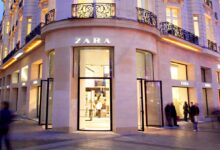
Sales Zara: The Rise of a Fast Fashion Empire

Zara, a brand under the Inditex Group, has redefined how fashion is produced, marketed, and consumed worldwide. Founded in 1975 by Amancio Ortega in Spain, Zara began as a small store offering affordable copies of high-end designs. Today, it stands as one of the most influential fashion retailers, with over 2,000 stores in more than 90 countries. But what truly sets Zara apart is its revolutionary approach to sales Zara, which combines speed, agility, and customer-centric design.
From Humble Beginnings to Global Domination
Amancio Ortega opened the first Zara store in A Coruña, Spain, with a vision: to bring runway-inspired fashion to the masses at accessible prices. Unlike traditional fashion houses that operated on seasonal cycles, Zara adopted a rapid production model. This allowed the brand to go from design to store shelves in as little as two weeks—a game-changer in an industry where months-long lead times were standard.
- First store opened in 1975 in Spain.
- Part of Inditex Group, now the world’s largest fashion retailer.
- Global presence in major cities from New York to Tokyo.
The Zara Business Model: Speed Over Scale
While competitors focused on mass production and outsourcing, Zara invested heavily in vertical integration. Over 60% of its clothing is produced in-house or in nearby facilities across Europe, North Africa, and Turkey. This proximity enables faster response to trends and reduces dependency on distant factories. The result? Sales Zara thrive on real-time demand rather than forecasts.
“Zara doesn’t follow trends. It creates them—and sells them before anyone else can catch up.” — Business Insider
How Sales Zara Beat the Competition
The secret behind sales Zara isn’t just low prices—it’s scarcity, urgency, and exclusivity. Zara intentionally limits stock to create a ‘now or never’ shopping experience. This strategy drives foot traffic, reduces markdowns, and keeps customers coming back for new arrivals.
Scarcity Marketing: The Psychology Behind Low Stock
Zara rarely restocks sold-out items. If a dress sells out, it’s gone—forever. This taps into the psychological principle of scarcity: people value things more when they’re rare. Shoppers feel compelled to buy immediately, knowing they might miss out. This directly fuels sales Zara by reducing hesitation and increasing conversion rates.
- Limited inventory increases perceived value.
- Encourages impulse buying.
- Reduces overproduction and waste.
Rapid Product Turnover: 500 New Items Weekly
Zara introduces around 12,000 new designs annually—compared to 2,000–4,000 at most competitors. That’s roughly 500 new items every week. This constant refresh keeps stores feeling new and exciting, driving repeat visits. The fast turnover is supported by a highly responsive supply chain that can adjust production based on real-time sales data.
According to McKinsey & Company, Zara’s ability to react within days gives it a significant edge over slower rivals.
Sales Zara and the Power of In-Store Experience
In an era where e-commerce dominates, Zara continues to invest heavily in physical retail. But these aren’t just stores—they’re experiential spaces designed to maximize engagement and, ultimately, sales Zara.
Store Layouts That Drive Impulse Purchases
Zara stores are meticulously designed to guide customers through a curated journey. Clothing is grouped by style, not size or gender, encouraging exploration. Mannequins are styled in complete looks, making it easy for shoppers to visualize outfits. The absence of discounts or promotions inside the store keeps the brand image premium, even at affordable prices.
- No sale racks or discount bins.
- Frequent window display changes to attract passersby.
- Limited seating to discourage lingering and encourage browsing.
Staff Training Focused on Visual Merchandising
Zara employees aren’t just cashiers—they’re trained in visual merchandising and trend spotting. Store managers report customer feedback and local preferences directly to headquarters, feeding into design decisions. This bottom-up communication loop ensures that sales Zara are informed by actual consumer behavior, not just corporate assumptions.
“At Zara, the store is the R&D lab.” — Harvard Business Review
Digital Transformation and Sales Zara Online
While Zara built its empire on physical retail, the brand has aggressively expanded its digital footprint. Today, online sales Zara account for nearly 30% of total revenue, a figure that continues to grow.
E-Commerce Strategy: Seamless Integration with Physical Stores
Zara’s online platform is tightly integrated with its store network. Customers can buy online and return in-store, or check real-time inventory before visiting. This omnichannel approach enhances convenience and reduces friction in the shopping journey. During peak seasons, Zara uses stores as mini-distribution centers to fulfill online orders faster.
- Real-time inventory tracking across channels.
- Click-and-collect options available globally.
- Mobile app with personalized recommendations.
Social Media and Influencer Collaborations
Zara leverages Instagram, TikTok, and Pinterest to showcase new arrivals and styling ideas. Instead of traditional advertising, the brand relies on aesthetic-driven content and influencer partnerships. These collaborations feel organic, often featuring minimalist photography that aligns with Zara’s brand identity.
A notable example is Zara’s partnership with model and influencer Binx Walton, which generated massive engagement and boosted online sales Zara during the campaign period. Learn more about their digital strategy at Vogue Business.
Sustainability Challenges in Sales Zara’s Model
Despite its success, Zara faces criticism for its environmental impact. The fast fashion model, by nature, encourages overconsumption and waste. However, the brand has taken steps to address these concerns while maintaining high sales Zara volumes.
Zara’s Join Life Initiative: Greenwashing or Genuine Change?
Launched in 2016, the Join Life collection features garments made from sustainable materials like organic cotton, recycled polyester, and TENCEL™. Items are labeled with a green tag, making them easily identifiable. While this initiative shows progress, critics argue it represents only a small fraction of total production.
- Join Life products make up about 24% of Zara’s total offerings (as of 2023).
- Uses eco-friendly dyes and water-saving processes.
- Transparency in sourcing is improving but still limited.
Circular Fashion Efforts: Can Sales Zara Be Sustainable?
Zara has introduced garment collection bins in stores, offering discounts for used clothing donations. Collected items are either resold, reused, or recycled. The brand also launched a rental service in select markets, testing the waters of circular fashion. While these efforts are promising, scaling them to match Zara’s global footprint remains a challenge.
For deeper insights into Zara’s sustainability roadmap, visit Inditex’s official sustainability page.
Global Expansion and Sales Zara’s Market Adaptation
One reason sales Zara remain strong across diverse markets is the brand’s ability to adapt locally while maintaining a global identity. Whether in Dubai, Tokyo, or Buenos Aires, Zara tailors its offerings to regional tastes without losing its core aesthetic.
Localized Collections Based on Regional Preferences
In hotter climates, Zara stocks more lightweight fabrics and swimwear. In conservative markets, modest fashion lines are introduced. Store layouts and marketing campaigns are also adjusted to reflect cultural norms. This localization strategy ensures that sales Zara stay relevant and responsive.
- Modest wear lines in Middle Eastern stores.
- Plus-size collections expanding in North America.
- Seasonal adjustments based on local weather patterns.
Strategic Store Openings in Emerging Markets
Zara continues to expand into high-growth regions like Southeast Asia, Eastern Europe, and Latin America. Store openings are carefully timed and located in premium shopping districts to maintain brand prestige. In India, for example, Zara entered the market in 2010 and now operates over 30 stores, with plans for further growth.
According to Retail Gazette, Zara’s expansion in India has been fueled by rising disposable incomes and a growing appetite for Western fashion.
Customer Loyalty and the Future of Sales Zara
As competition intensifies from brands like H&M, Uniqlo, and Shein, Zara is investing in customer retention strategies to protect its sales Zara dominance.
Zara’s Membership Program and Personalization
The Zara app now includes a loyalty program that rewards frequent shoppers with early access to sales, exclusive collections, and personalized styling tips. By collecting data on purchase history and browsing behavior, Zara can deliver targeted promotions that increase conversion rates and average order value.
- Personalized email campaigns based on user behavior.
- Exclusive app-only drops to drive engagement.
- Integration with Apple Wallet for digital receipts and offers.
AI and Data Analytics in Predicting Sales Zara Trends
Zara uses artificial intelligence to analyze sales data, social media trends, and even weather patterns to predict demand. Machine learning models help optimize inventory allocation and reduce overstock. This data-driven approach ensures that sales Zara are not left to guesswork but guided by real-time insights.
“Zara’s AI system knows what you’ll want before you do.” — Wired Magazine
Challenges Ahead for Sales Zara
Despite its success, Zara faces mounting challenges that could impact future sales Zara. From rising labor costs to shifting consumer values, the brand must evolve to stay ahead.
Competition from Ultra-Fast Fashion Brands
Shein and Temu have disrupted the market with even faster turnaround times and lower prices. These brands leverage ultra-efficient supply chains and social media virality to drive massive sales Zara volumes. While Zara maintains a higher quality standard, it must innovate to compete on speed and price.
- Shein launches thousands of new items daily.
- Temu’s aggressive pricing undercuts traditional retailers.
- Zara’s response: faster online updates and limited-edition drops.
Labor Practices and Ethical Sourcing Concerns
Reports of poor working conditions in Zara’s supplier factories have surfaced over the years. While Inditex has implemented auditing programs, ensuring ethical practices across a vast network remains difficult. Consumers are increasingly demanding transparency, and any misstep could damage brand trust and hurt sales Zara.
For more on labor issues in fast fashion, see Human Rights Watch’s 2023 report on global fashion brands.
Sales Zara: Lessons for the Retail Industry
The story of sales Zara offers valuable lessons for retailers across industries. From supply chain innovation to customer psychology, Zara’s model is a blueprint for agility in a fast-changing world.
Agility Over Forecasting: The New Retail Mindset
Traditional retail relies on long-term forecasts, but Zara proves that real-time responsiveness is more effective. By producing in small batches and adjusting quickly, Zara minimizes risk and maximizes relevance. Other brands are now adopting similar ‘test and react’ models.
- Reduce reliance on seasonal collections.
- Invest in flexible manufacturing.
- Empower local teams to make decisions.
The Importance of Brand Experience
Zara shows that price and product aren’t everything—experience matters. From store design to packaging, every touchpoint reinforces the brand’s identity. Retailers who ignore this risk becoming commoditized.
“People don’t buy clothes. They buy the feeling they get when they wear them.” — Zara Marketing Executive
What is the key to Zara’s sales success?
The key to Zara’s sales success lies in its vertically integrated supply chain, rapid production cycles, and data-driven decision-making. By producing in-house and responding quickly to trends, Zara can get new designs to stores in weeks, not months. This agility, combined with scarcity marketing and a strong brand image, drives consistent sales Zara growth.
How does Zara maintain high sales without frequent discounts?
Zara rarely offers sales or promotions, instead relying on limited stock and constant new arrivals to create urgency. This strategy avoids devaluing the brand and encourages immediate purchases. The perception of exclusivity keeps customers engaged and willing to pay full price.
Is Zara moving toward sustainable fashion?
Yes, Zara has launched initiatives like Join Life and garment recycling programs to improve sustainability. However, these efforts currently represent a small portion of overall production. While progress is being made, the core fast fashion model still poses environmental challenges.
How important is technology in Zara’s sales strategy?
Technology is central to Zara’s sales strategy. From AI-powered trend forecasting to real-time inventory systems, digital tools enable faster decisions and better customer experiences. The Zara app, e-commerce platform, and data analytics all play critical roles in driving modern sales Zara.
Can Zara compete with ultra-fast fashion brands like Shein?
Zara faces stiff competition from ultra-fast fashion brands, but it differentiates itself through higher quality, better store experiences, and stronger brand identity. While Shein wins on price and variety, Zara focuses on style, fit, and sustainability—areas where it can maintain a competitive edge.
Zara’s dominance in global fashion is no accident. The story of sales Zara is one of innovation, precision, and relentless execution. From its vertically integrated supply chain to its mastery of scarcity marketing, Zara has redefined what it means to be a fast fashion leader. While challenges like sustainability and digital competition loom large, the brand’s ability to adapt ensures it will remain a major player for years to come. Whether you love it or critique it, one thing is clear: sales Zara are a phenomenon worth studying.
Further Reading:
